Upper Sixth Biologists Explore DNA Profiling
Upper Sixth Biology students recently took part in a detailed gel electrophoresis practical, gaining first-hand experience in a core molecular biology technique. The activity involved several key steps:
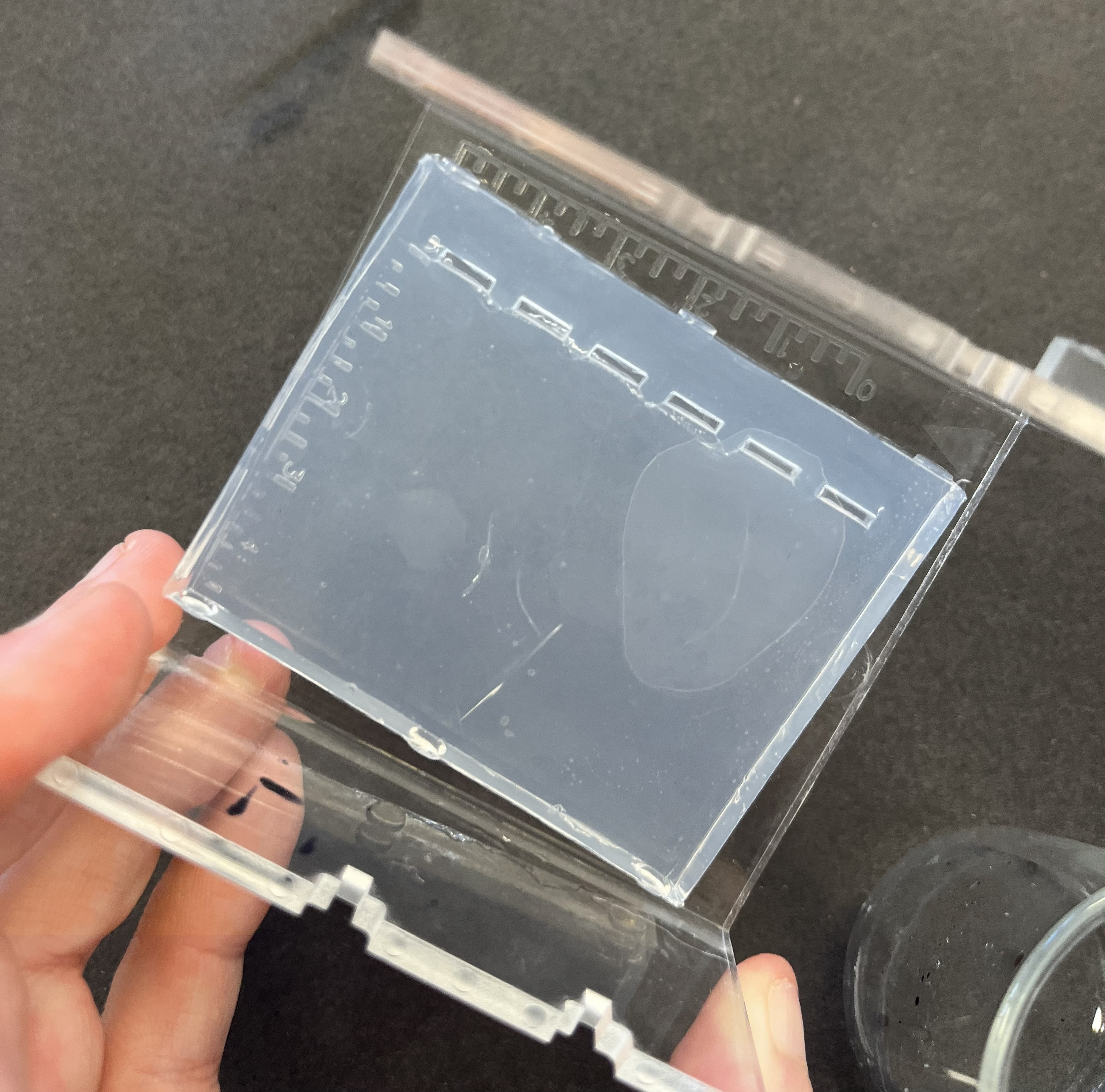
- Preparing the gels – Molten agarose was poured into moulds to create gels with wells for DNA samples.
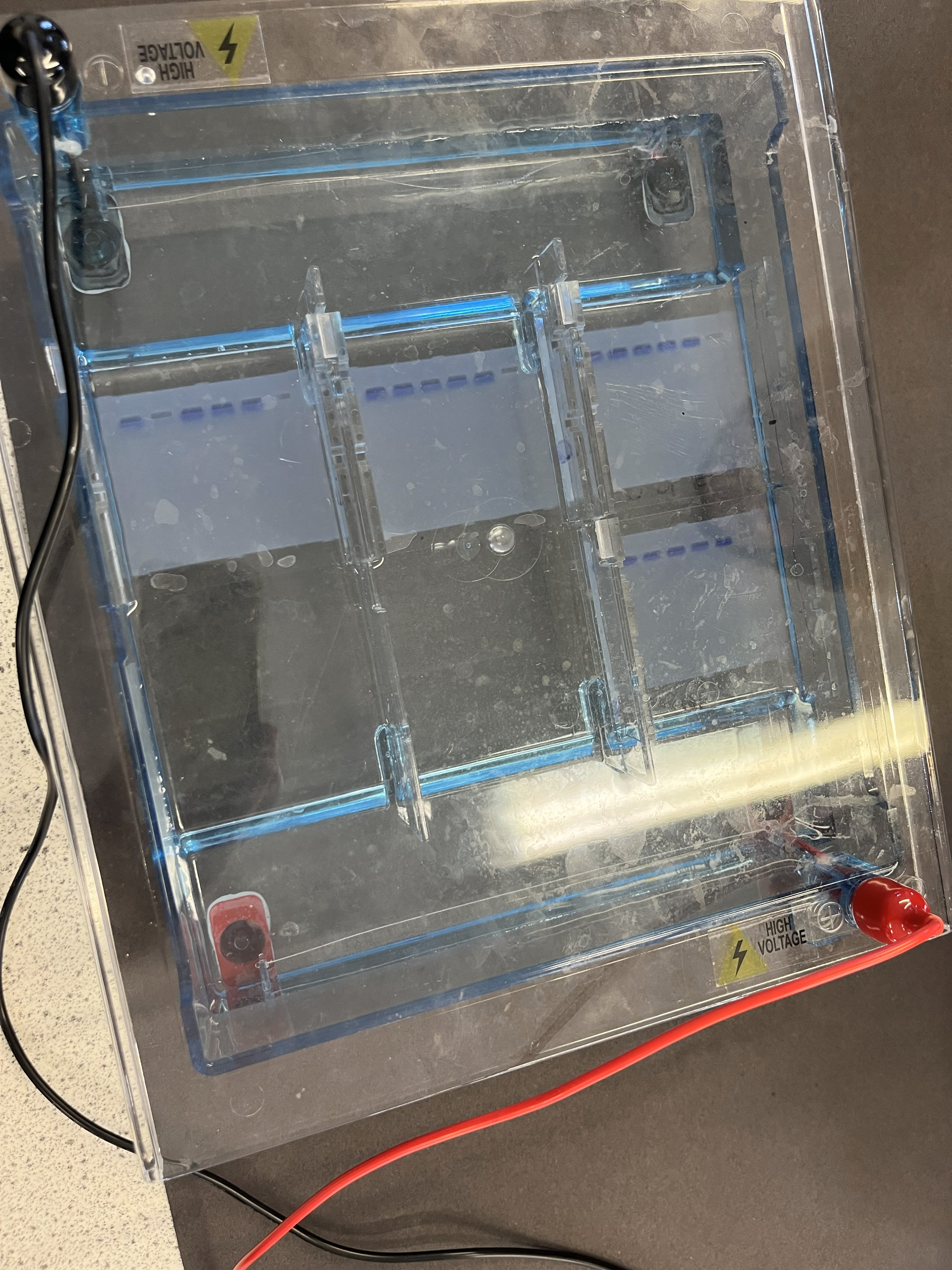
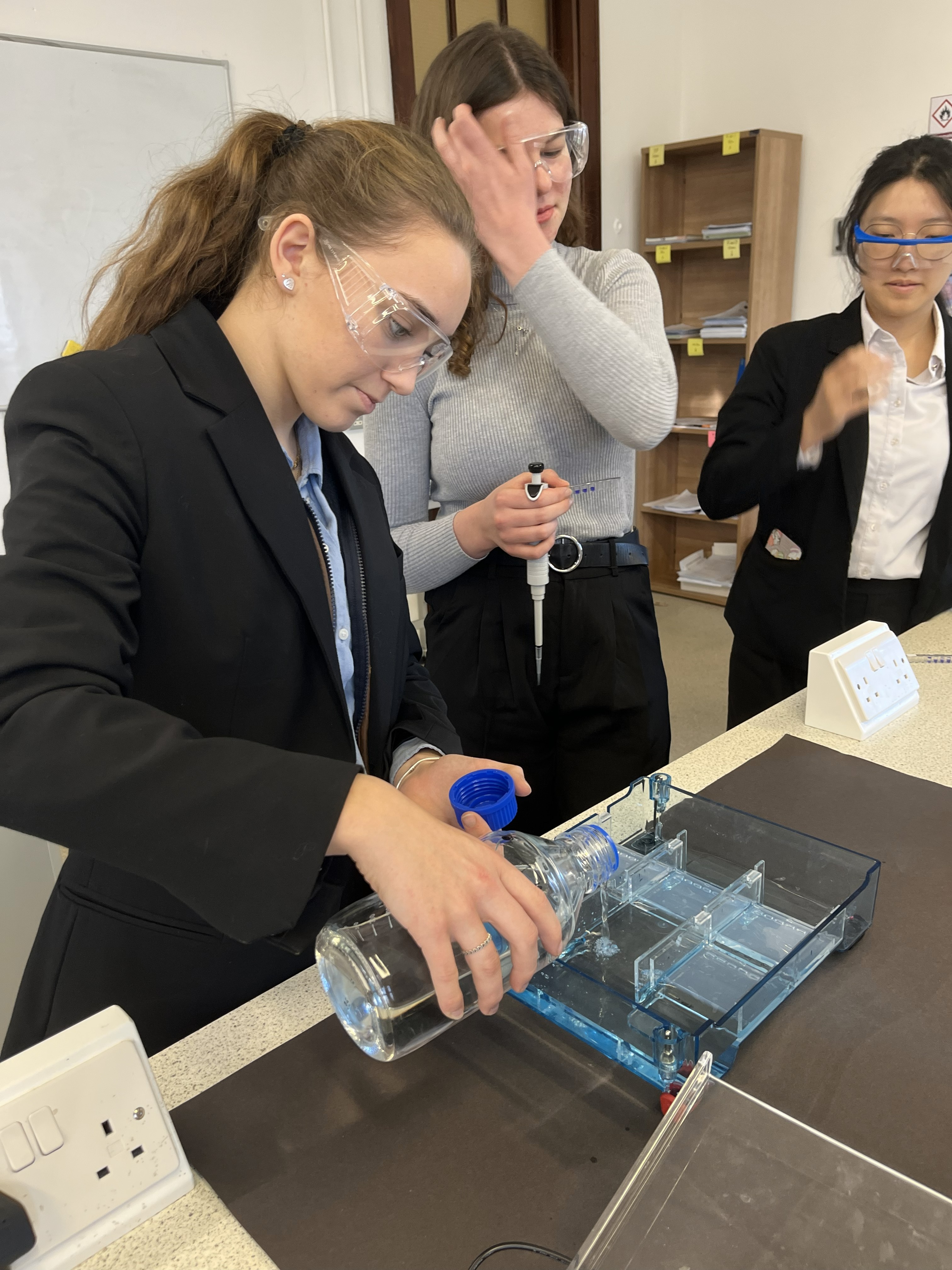
- Setting up the electrophoresis tank – Gels were submerged in buffer solution to allow electrical current to pass once DNA was loaded.
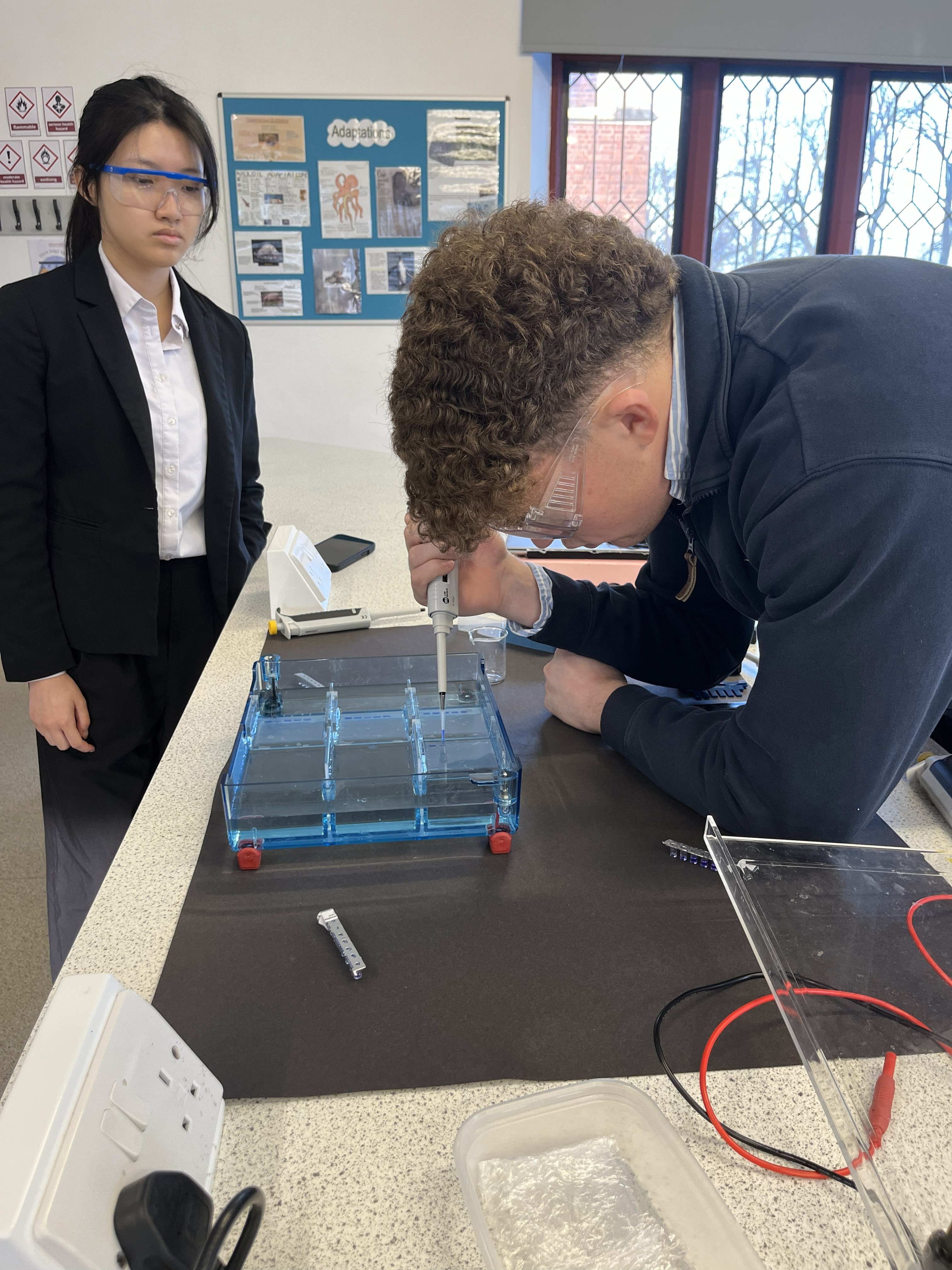
- Extracting DNA – Pupils used micropipettes to carefully remove DNA from vials provided.
- Loading the gels – The DNA samples were precisely pipetted into the wells of the submerged gels, requiring steady hands and good technique. All pupils completed this step successfully.
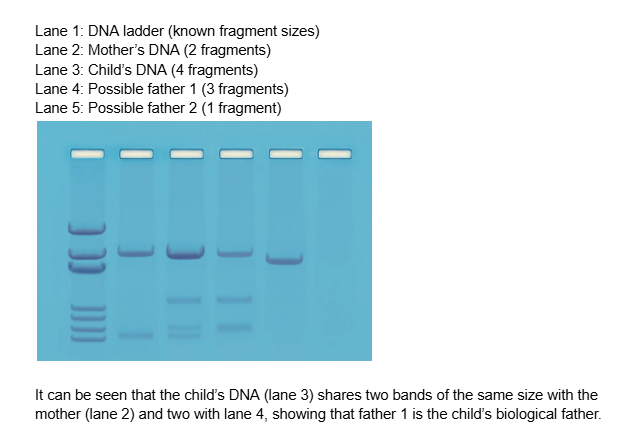
- Running the electrophoresis – An electric current was applied, causing the negatively charged DNA fragments to migrate toward the positive electrode. The DNA fragments were visible as blue-stained bands in the gels.
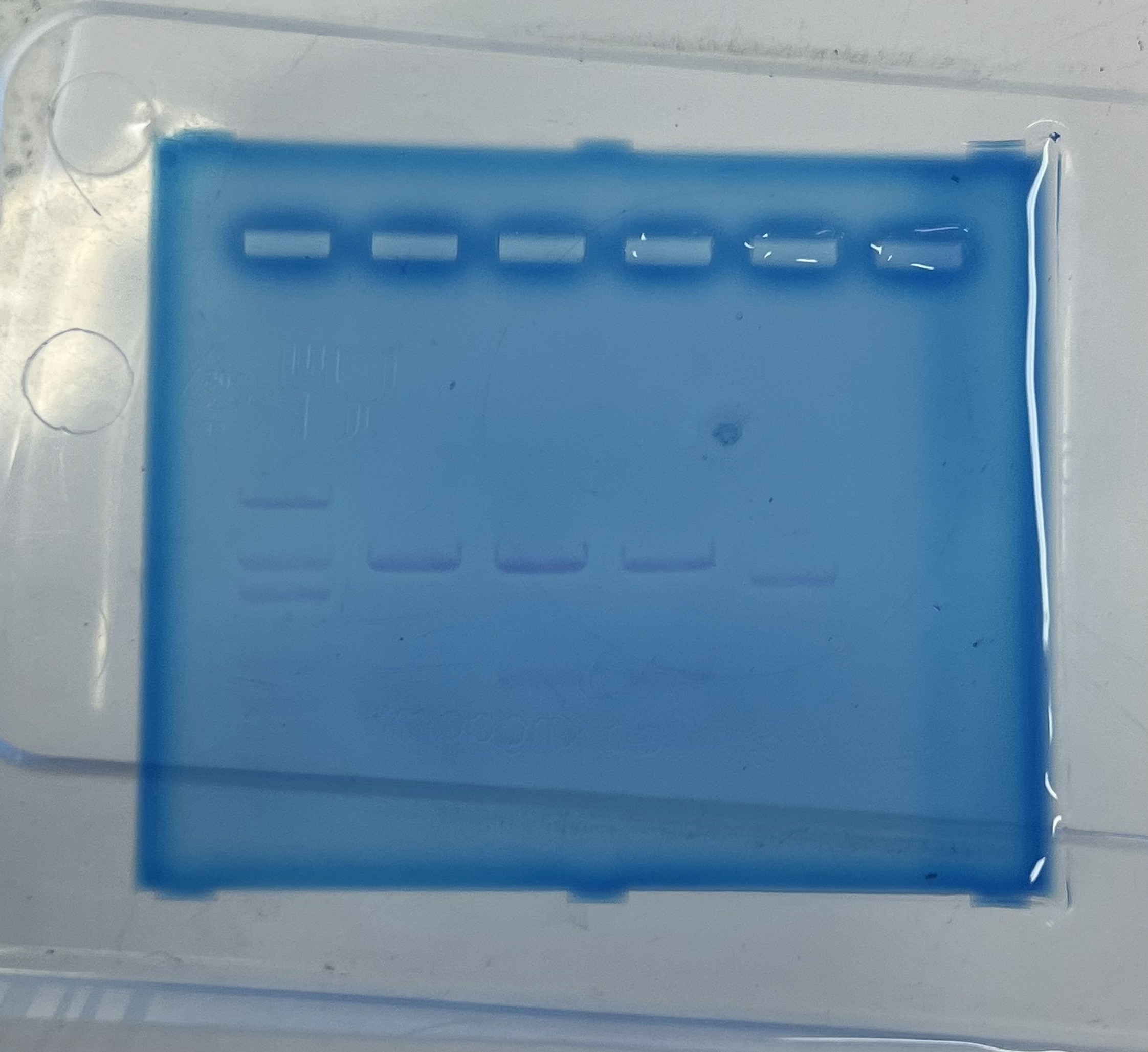
- Staining and visualising the results – The gels were treated with blue dye to make DNA fragments clearly visible, producing a final DNA profile.
The purpose of this technique is to separate DNA fragments by size. In this practical, students simulated a DNA paternity test: the first lane contained a DNA ladder (fragments of known size), while subsequent lanes contained DNA from a mother, child, and two potential fathers. By comparing the bands, pupils were able to identify which DNA fragments came from the biological father.
This hands-on session provided pupils with an excellent opportunity to develop practical laboratory skills, including precision with micropipettes, careful observation, and analytical thinking.
.webp)
.jpg)